How to become a tanker driver: 5 steps to get started

By The Schneider Guy
Estimated reading time: 3 minutes
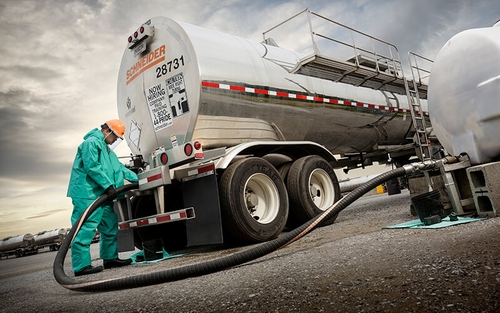
Tanker truck driving is not your typical driving job. Tanker drivers haul liquid and/or dry bulk loads in steel tank trailers and often manually unload their own tanker using pumps and hoses.
Due to the unique nature of the work, tanker drivers have the chance to earn a great income. In fact, at Schneider, tanker drivers are among the highest paid in our fleet and can choose from local, regional and over-the-road configurations.
However, there are some extra steps you need to take and additional requirements you need to meet to take advantage of tanker driving opportunities. Keep reading to learn more about how to become a tanker truck driver and what the job entails.
How to become a tanker driver
1. Meet the requirements to become a truck driver.
Before you can focus your attention on tanker driving jobs specifically, you need to know how to become a truck driver. Some of the basic truck driver requirements are:
- Being at least 21 years old (for interstate driving).
- Having a clean driving record and solid work history.
- Attending truck driving school or a CDL training program.
- Obtaining a Commercial Driver’s License (CDL) from your state’s Department of Motor Vehicles (DMV).
- Passing a drug and alcohol test.
- Completing a Department of Transportation (DOT) physical.
2. Make sure tanker driving is the right job for you.
Before deciding to become a tanker driver, it’s a good idea to research what the job entails to make sure it’s a good career fit for you.
Some of the things that differentiate tanker driving from other driving jobs are:
- The type of freight: When people think of truck driving, they often envision drivers hauling dry van freight in 53-foot trailers. However, tanker drivers haul primarily food-grade liquids (like water and milk), liquid chemicals and petroleum products. The latter two are considered hazardous materials.
- The equipment: Tanker drivers typically pull steel tank trailers instead of standard dry van trailers. Drivers must be skilled in managing the unique driving dynamics of a tanker, such as the "surge effect" caused by liquid movement inside the tank.
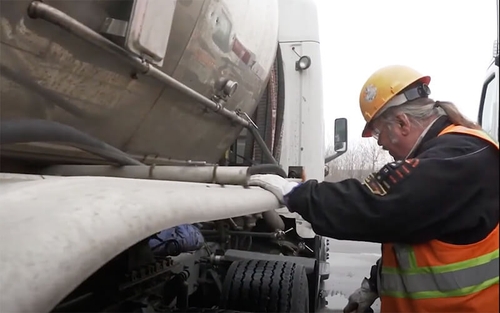
- The hands-on work: Tanker drivers often load and unload their freight with pumps and hoses attached to their equipment. This is not a standard practice for many dry van truck drivers, who often never touch the freight they haul.
- Extra certifications: Tanker drivers need extra training and certifications, such as a Tanker endorsement and a HazMat endorsement, on top of their Class A CDL.
- Additional regulations: Due to the nature of the materials being transported, tanker drivers must adhere to more safety regulations and protocols, such as proper placarding.
Want to hear more about tanker truck driving? Get a breakdown of what being a tanker driver is like from two Schneider Driver Ambassadors in the video below:
3. Meet the specific tanker driver requirements.
While they can vary by tanker driving job (e.g. the requirements to haul chemicals are different from the requirements to haul water), some of the common requirements to become a tanker driver include:
- Obtaining a Tanker endorsement. This can be done at the DMV at the same time as your CDL (with a separate written test and small fee) or added later.
- Getting a HazMat endorsement. This endorsement is needed for drivers who haul hazardous materials like gasoline, propane, chlorine and other kinds of potentially dangerous chemicals.
- Earning a Tanker/HazMat combination endorsement. This endorsement, known as an “X” endorsement, covers both a tanker and HazMat endorsement.
- Investing in a TWIC card. A TWIC card is needed for drivers who haul their loads to ports, vessels or other maritime facilities.
4. Find a tanker driving job.
There are a wide variety of tanker driving jobs to choose from, including:
The best way to know if a tanker driving job is right for you is to review specific job postings and descriptions.
5. Complete your tanker truck driver training.
Due to the specialized nature of the work, you should prepare for longer training when becoming a tanker driver. For example, Schneider’s tanker orientation is just under three weeks for experienced drivers and five weeks for inexperienced drivers.
Interested in becoming a tanker truck driver?
If hauling tanker freight intrigues you, take a look at our large selection of local, regional and over-the-road tanker driving jobs.
Schneider Guy loves the "Big Orange." He's passionate about the trucking industry and connecting people to rewarding careers within it. He's been the eyes and ears of our company since our founding in 1935, and he's excited to interact with prospective and current Schneider associates through "A Slice of Orange."